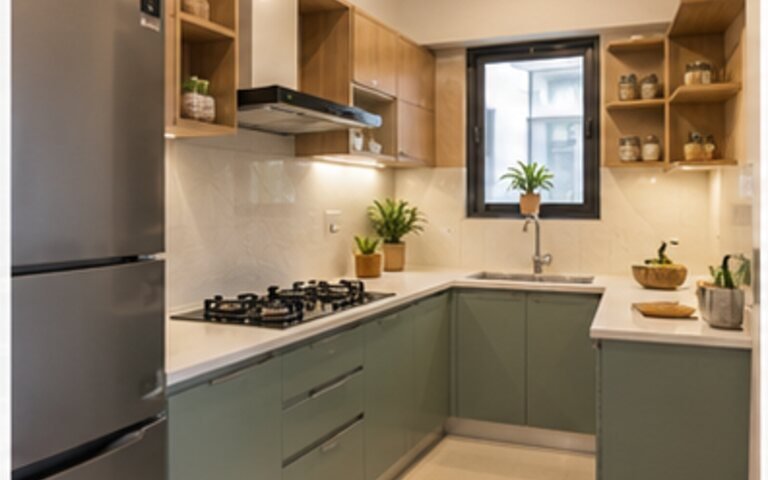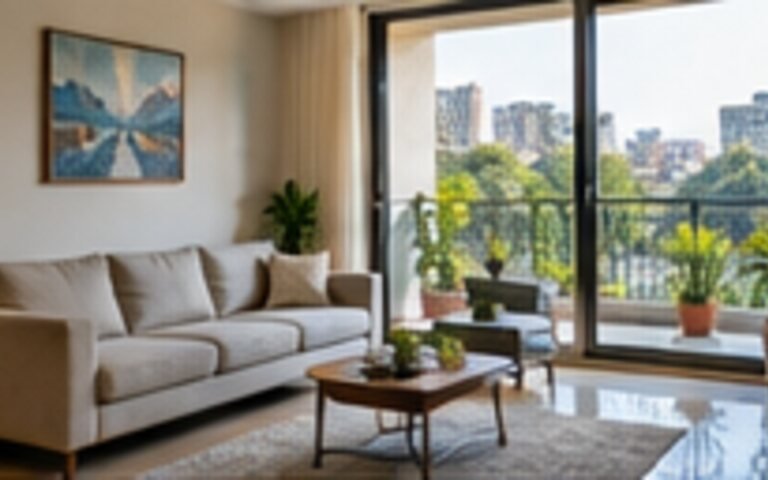
On a narrow plot, the front and rear openings may be the main sources of daylight while neighbouring buildings limit side exposure. A successful plan moves light deeper, protects privacy and avoids solving every dark zone with permanent artificial lighting. The building section is as important as the floor plan.
Measure obstruction, not only orientation
A theoretically favourable direction may still be blocked by a close building, balcony or tree canopy. Record the visible sky angle and likely seasonal change at each principal opening.
Place compatible rooms by light need
Living, work and frequently occupied rooms benefit from stronger daylight. Storage, circulation and some services can occupy deeper zones when ventilation and safety requirements remain satisfied.
Borrow light carefully
Glazed partitions, high-level openings and open circulation can share light while maintaining functional separation. Privacy, glare and acoustic control should be considered before replacing every wall with glass.
Use surfaces to distribute light
Moderately reflective ceilings and walls can soften contrast and carry light farther. Highly glossy finishes may create glare without meaningfully improving comfort.
Test the real hours of use
Visit or simulate morning, midday and afternoon conditions. A bright photograph captured at one favourable moment does not explain the room across the day.
Questions to record
How much sky is visible?
Write down the answer during the visit or document review, together with the date and the name or role of the person who supplied it. Mark the answer as observed, documented or unverified. That small distinction prevents a confident statement from being mistaken for independent evidence later.
Which rooms need daylight for the longest period?
Ask for an example, document, demonstration or photograph that supports the answer. If none is available, keep the point open instead of forcing a conclusion. A useful comparison sheet should make uncertainty visible and show what must be checked before money or possession changes hands.
Can light be borrowed without losing privacy?
Test whether the answer would still matter after paint, furniture and presentation are removed from the decision. Permanent constraints normally deserve more weight than replaceable finishes. Record the practical consequence for the buyer, seller, renter or resident rather than simply marking the item yes or no.
Will finishes create glare?
Recheck the answer against a second source where the issue affects title, finance, safety, access or a material cost. Current official documents and qualified advice take priority over portal text, an old brochure or an undated message. Save the version used for the decision.
What happens at different hours?
Before closing the review, write the next action, the responsible person and a sensible deadline. An unresolved question should not disappear inside chat history. A short action log turns the inspection into an editorial record that another reviewer can understand and challenge.
Prepare the draft for review
Keep the evidence file separate from promotional material. Label photographs with the place and date, preserve the original dimensions when an image is used to explain scale, and note any edit that changes brightness or removes a distraction. Ask an editor to check the headline, excerpt, classification, links and image description against the article. If the facts may change, add an observation date and a source that a reader can revisit.
Use the evidence carefully
This draft is educational, not a substitute for legal, financial, structural or valuation advice. Verify changing rules, charges, product terms and property-specific facts with the relevant authority or qualified professional. Date every external figure and distinguish observation, owner statement and independently verified evidence.
Daylight planning is not a promise that every corner will be equally bright. It is the deliberate placement of rooms, openings and surfaces so the most important activities receive useful light with manageable heat and privacy.
Continue: Browse Architecture & Design or explore the complete SANKUPRA Media story library.