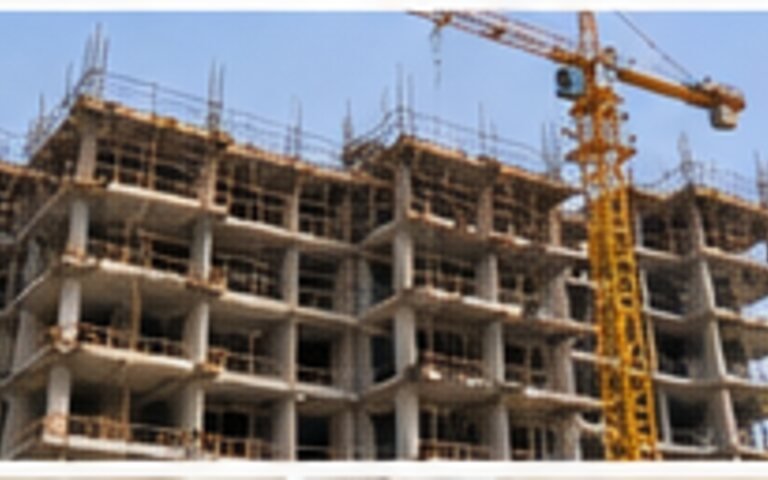
A finished builder floor can make construction appear like a sequence of product choices. In practice, value is also created—or lost—through drawings, sequencing, supervision, testing and the handover of records. Coordination problems often remain concealed until a leak, overload or repair exposes them.
Freeze coordinated drawings
Architectural, structural and service drawings should agree before work progresses. Late changes to shafts, beams or wet areas can create compromises that are difficult to correct after finishes.
Sequence wet work and services
Waterproofing, plumbing tests and electrical routes need inspection before tiles and ceilings close them. Photographic records help future maintenance teams understand what sits behind the surface.
Define quality checkpoints
Written checks for reinforcement, slopes, pressure tests, earthing and material approvals create accountability. A general promise of good quality is not a substitute for dated inspection records.
Control change orders
Every change should explain cost, time and technical consequence. Informal site instructions can accumulate into budget disputes and inconsistent work across floors.
Prepare a real handover
The buyer or facility team should receive keys, warranties, equipment manuals, drawings and defect contacts. Handover is an operational process, not only a possession photograph.
Questions to record
Are drawings coordinated?
Write down the answer during the visit or document review, together with the date and the name or role of the person who supplied it. Mark the answer as observed, documented or unverified. That small distinction prevents a confident statement from being mistaken for independent evidence later.
Which concealed works were tested?
Ask for an example, document, demonstration or photograph that supports the answer. If none is available, keep the point open instead of forcing a conclusion. A useful comparison sheet should make uncertainty visible and show what must be checked before money or possession changes hands.
Who approved changes?
Test whether the answer would still matter after paint, furniture and presentation are removed from the decision. Permanent constraints normally deserve more weight than replaceable finishes. Record the practical consequence for the buyer, seller, renter or resident rather than simply marking the item yes or no.
Are warranties and manuals organized?
Recheck the answer against a second source where the issue affects title, finance, safety, access or a material cost. Current official documents and qualified advice take priority over portal text, an old brochure or an undated message. Save the version used for the decision.
How will defects be recorded?
Before closing the review, write the next action, the responsible person and a sensible deadline. An unresolved question should not disappear inside chat history. A short action log turns the inspection into an editorial record that another reviewer can understand and challenge.
Prepare the draft for review
Keep the evidence file separate from promotional material. Label photographs with the place and date, preserve the original dimensions when an image is used to explain scale, and note any edit that changes brightness or removes a distraction. Ask an editor to check the headline, excerpt, classification, links and image description against the article. If the facts may change, add an observation date and a source that a reader can revisit.
Use the evidence carefully
This draft is educational, not a substitute for legal, financial, structural or valuation advice. Verify changing rules, charges, product terms and property-specific facts with the relevant authority or qualified professional. Date every external figure and distinguish observation, owner statement and independently verified evidence.
Visible finishes sell the first impression; coordination determines how the building performs later. Buyers cannot inspect every construction stage, but they can ask for evidence that a disciplined process existed.
Continue: Browse Business or explore the complete SANKUPRA Media story library.